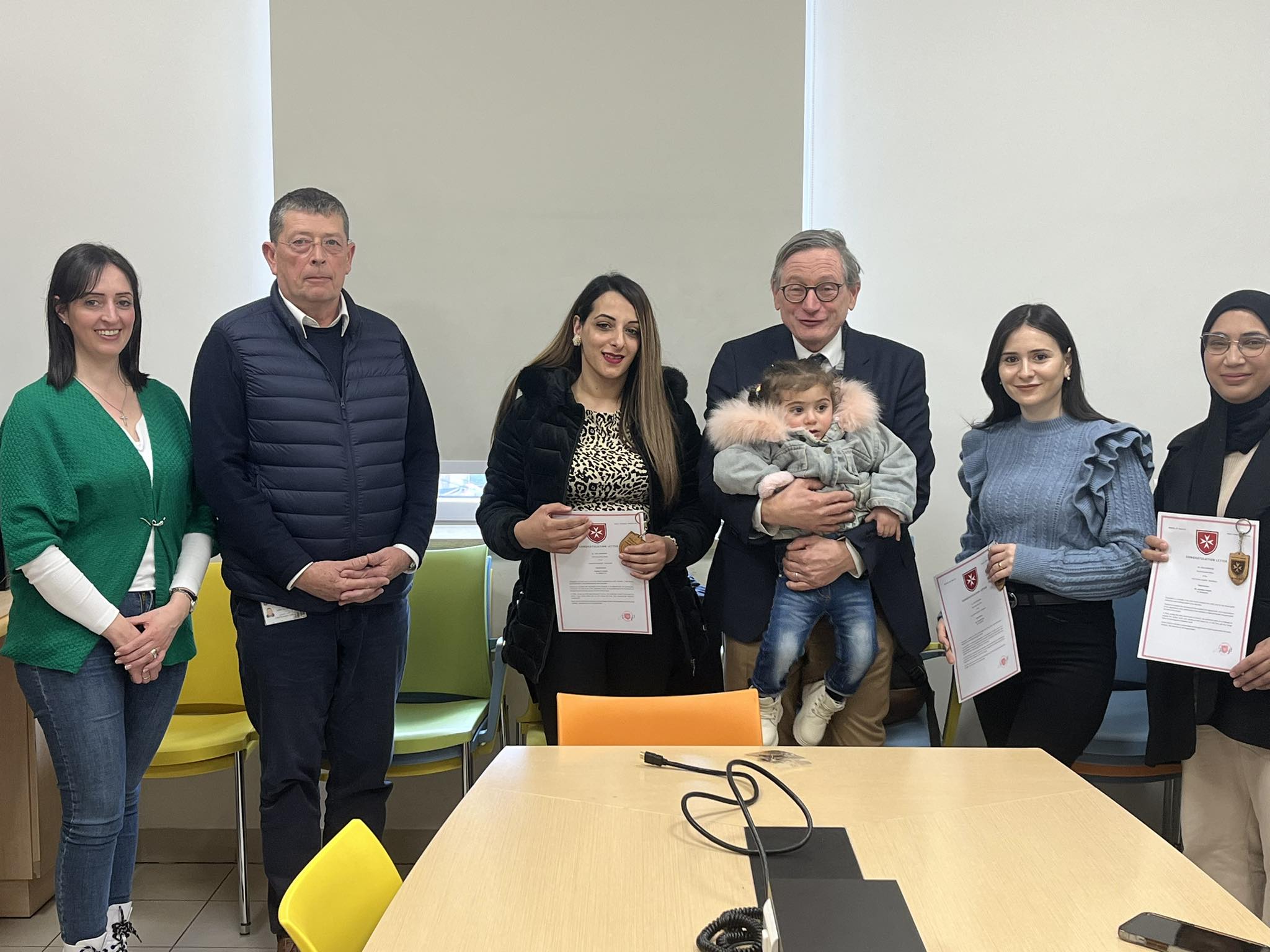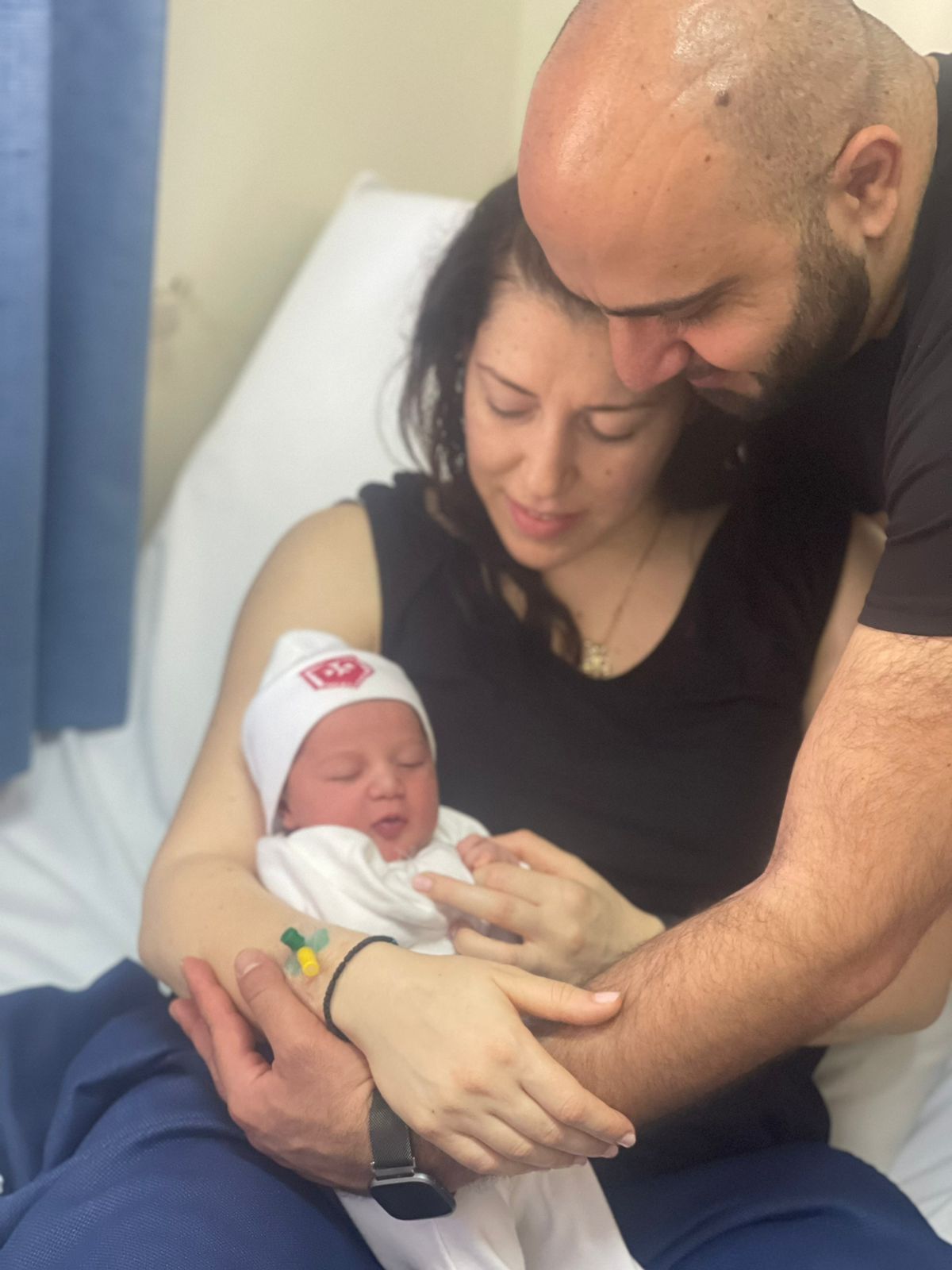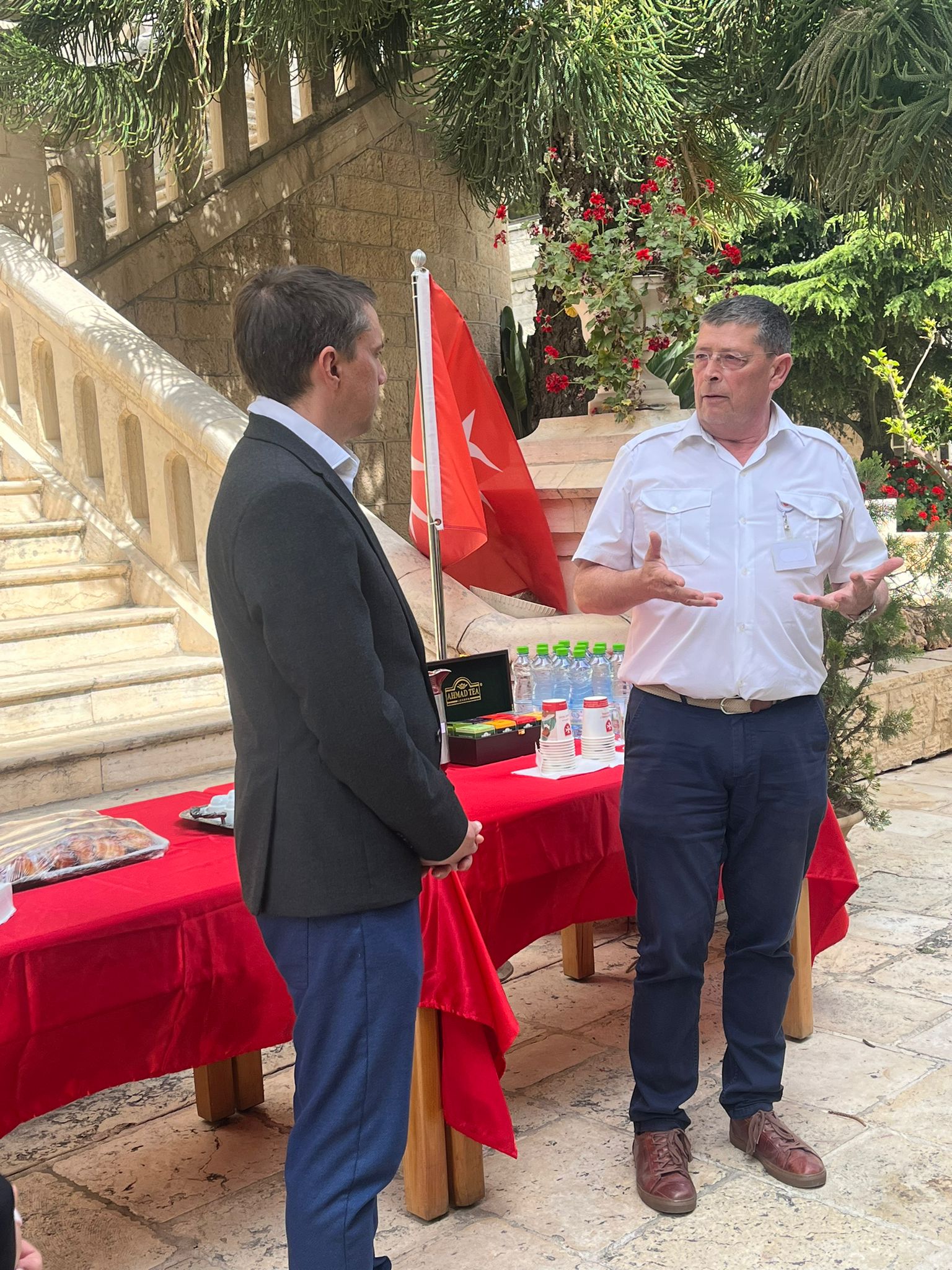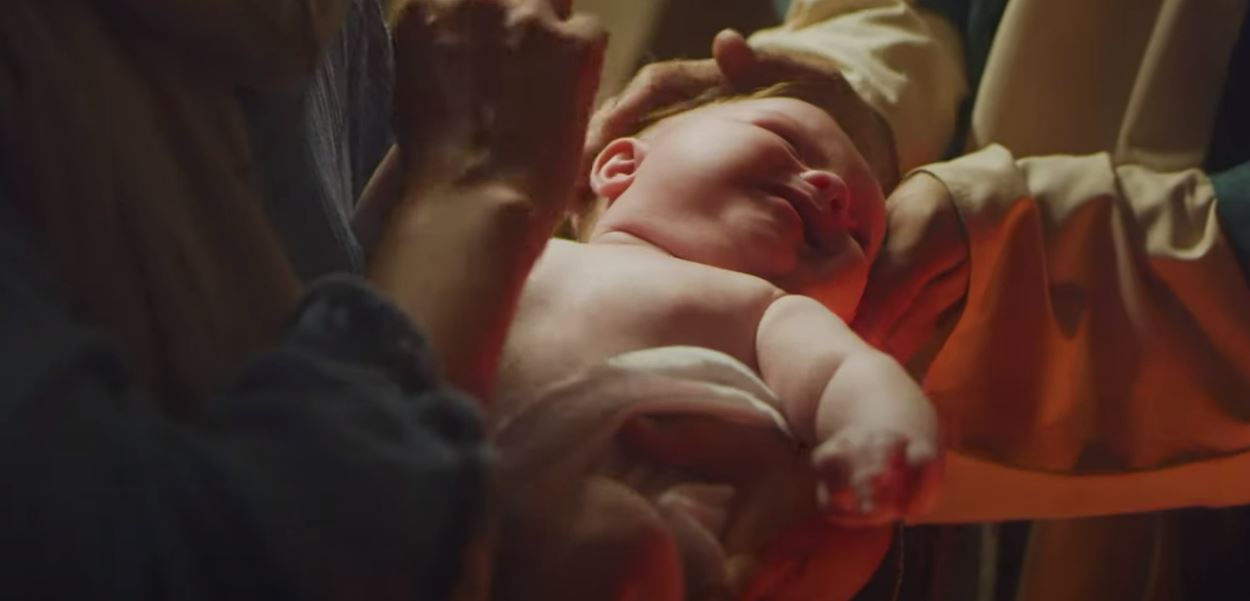
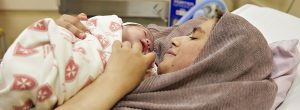
Last month we celebrated Mother’s Day at Holy Family Hospital. This was the occasion to remind everybody that antenatal care, safe delivery services, postnatal care and gynecology services should be worldwide minimal rights for any women.
For years many strategies have been implemented in an attempt to improve maternal health outcomes around Bethlehem district by Holy Family Hospital. HFH is utilized as a referral and care center for high-risk pregnancies and neonates, and receives patients from a service area which extends beyond the Bethlehem district. Everybody is welcome to the HFH regardless of race religion, color, culture or ability to pay.
Seeking health care during pregnancy and after the reproductive age is influenced not only by poor access to care and economic barriers but also by individual and community knowledge and acceptance of maternal health services. Partner support, previous maternal health care experiences, and the degree of communication with other women and health workers affect women’s decisions to seek care.
Accordingly, the education level of women and the surrounding community is one of the major issues affecting the women’s decisions to seek medical care during their life.
Our new project of Well Women Health Care aims at providing educational services in addition to maternal and gynecology health services to women living in the neighboring villages, refugee camps and Bedouins settlements in the Bethlehem district at their door step though the outreach mobile clinic. These services will enable educational and medical care to be brought to the doorstep of mothers and women who for one reason or another are unable to travel to the hospital. In particular it makes it possible to access the poor existing in pockets of poverty in remote hillside communities often living in dreadful conditions in shacks without sanitation, light, heat or clean water.
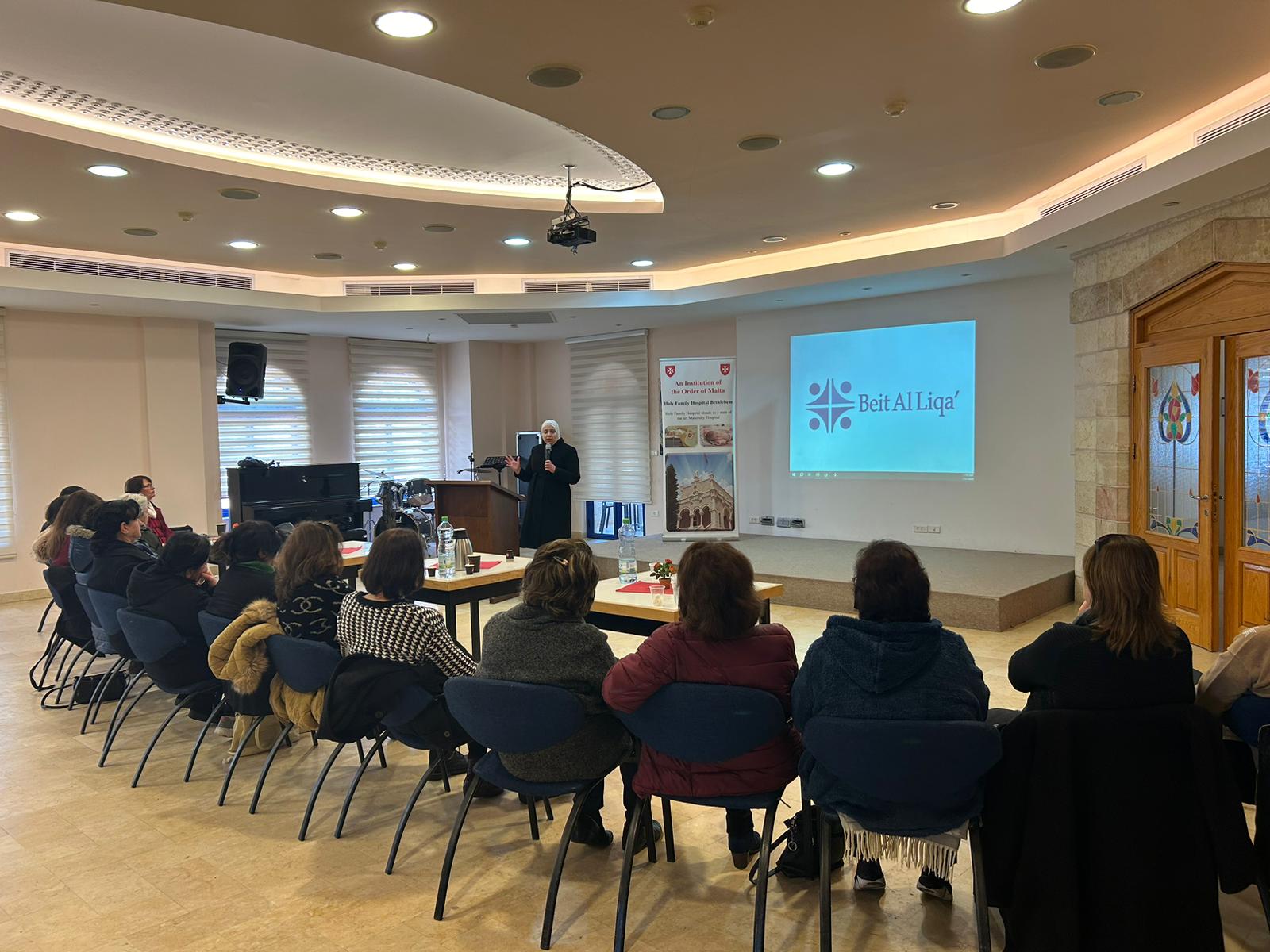
Our goal will be achieved through conducting Health Sessions for the people addressing all the issues related to gynecological problems and most significantly strengthening on the importance of seeking medical care during the menopausal period.
Our health session will not be limited to only caring for women during pregnancy but also will educate women on how to breastfeed, and caring for newborn. Also, our health education sessions will work on strengthening and enforcing a culture among Palestinian women for seeking Gynecological check-ups such as routine pap smears and pelvic exams, screening for breast cancer, treatment of sexually transmitted diseases, or general nutrition and hygiene...etc. It is truly unfortunate that Palestinian women are not accustomed to regular checkups for cultural reasons.
The creation and the availability of a well women mobile clinic will promote the idea of the need for regular examination that should be carried out by Palestinian Women. Hopefully such a practice will become culturally accepted and encouraged.